

In line with the main scientific objectives of the extended RETURN project partnership (PNRR- Spoke SV4) and the new challenges posed by the National Research Plan, E- TRACE – EcoToxicological Risk Assessment of Contaminants and climate change in Ecologically relevant areas – aims to assess the environmental risks due to human activities and their impact on biodiversity in areas of high ecological value.

Professor Maria Cristina Fossi, who leads the research group of the Department of Physical Sciences, Earth and Environment at University of Siena, told us about the project.
What does the project consist in?
“This project arises from the need to develop shared mitigation and adaptation strategies based on assessing the contamination levels of critical areas and potential ecotoxicological impacts. The goal is to optimize and implement a multi-layer risk assessment approach for an accurate evaluation of the impacts on ecosystems and human health.”
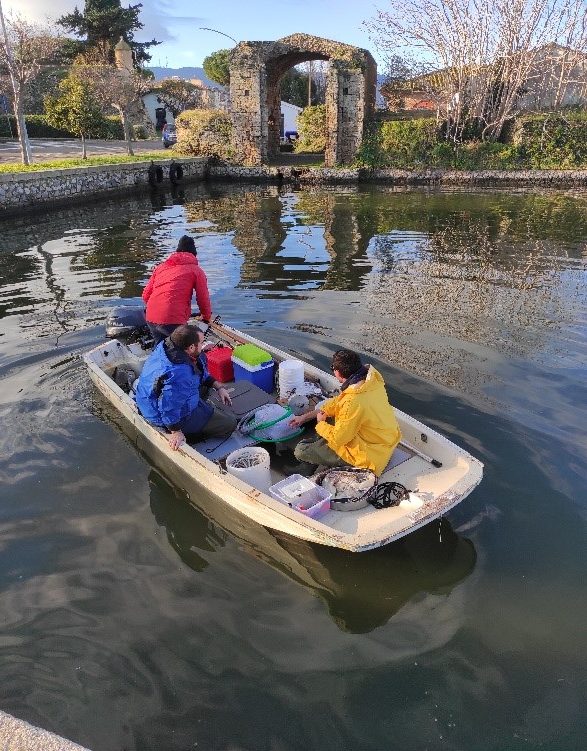
Which is the relevant ecological area selected as case study for the project?
“In E-TRACE a sensitive area of ecological interest, the Orbetello Lagoon, has been identified. This area is located in the Southern Tuscan, is classified as Wetland of International Importance under the Ramsar Convention, as well as a Special Area of Conservation and Special Protection Area.
This fragile ecosystem is particularly affected by climate change, eutrophication, and pollution from both legacy and emerging contaminants. It is also known for the farming of various commercially significant species and holds ecological importance as a resting and nesting site for numerous migratory bird species.”
What is the key strength of this project?
“The multidisciplinary approach developed and the results gained will be essential for the proper protection and preservation of the critical area identified within this project, characterized by fragile ecosystems that are particularly sensitive to the combined effects of human activities and climate change. The integration of data on contamination from microplastics, the presence of legacy and emerging contaminants, the biological responses of the bioindicator species investigated, and biodiversity indices of critical habitats through innovative methodologies (eDNA) will enable the acquisition of valuable
data on the resilience of these environments to ecosystem alterations linked to physical, chemical, and biological stress factors, as well as climate change.”
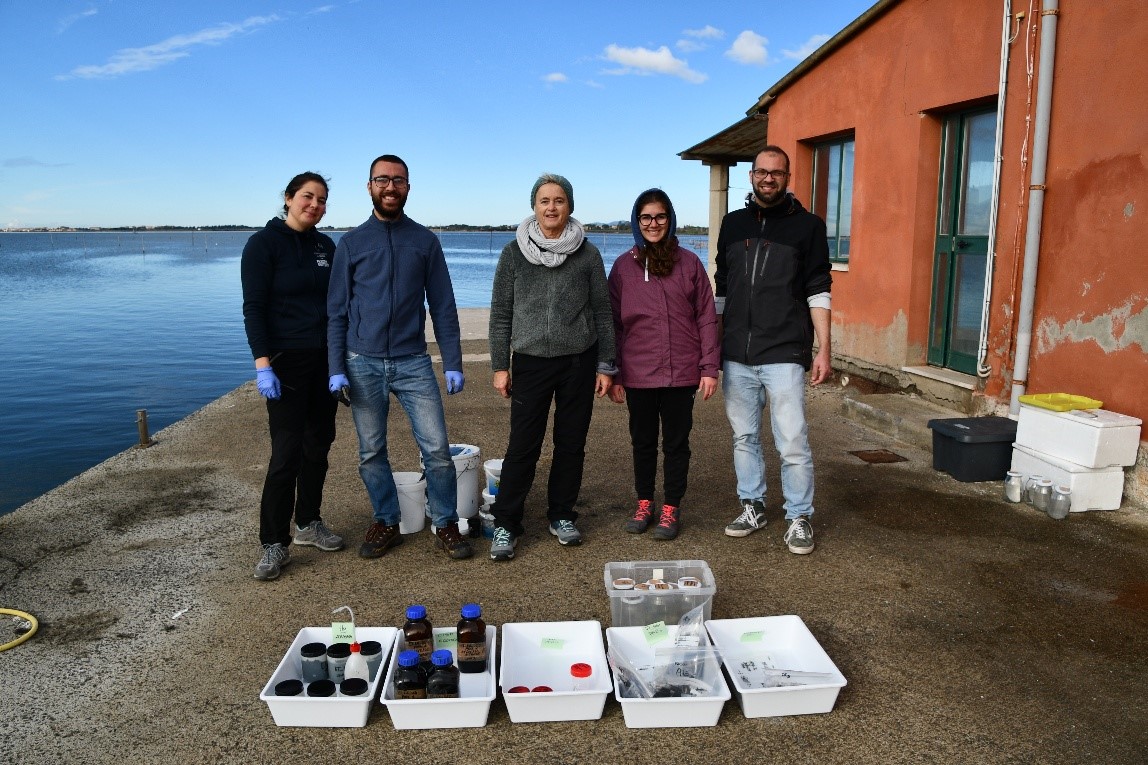
Who is part of the research group at the University of Siena, and what are the main areas of expertise involved in the project?
“The Plastic Busters team involved in the E-TRACE project consists of full professors, associated professors, junior researchers, technical staff, research fellows and PhD students. The team has a multidisciplinary background, including expertise in ecotoxicology, analysis of legacy and emerging contaminants, microplastics, biomarkers, metagenomics, and environmental risk assessment.”