

What happens when a writer who seems to perfectly embody the traditional role of wife, mother, and housewife creates works that radically challenge the society in which she lives? The answer can be found in the writing of Marlen Haushofer, an Austrian author who led a life apparently aligned with the expectations of her time regarding what a woman could or should be, but whose works subvert precisely those conventions, revealing a lucid and surprisingly modern reflection on gender roles, power relations, and the female condition.
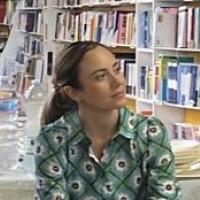
The research project “The case of Marlen Haushofer: schreibende Hausfrau or enlightened writer?” focuses on this extraordinary complexity. Led by Linda Puccioni, researcher at the Department of Philology and Literary Criticism of Ancient and Modern Literatures at the University of Siena, the objective of the study is to investigate Haushofer’s work in depth, bringing it back to the centre of attention after it remained for a long time at the margins of literary debate, and to reposition it within the intellectual landscape of the second half of the twentieth century.
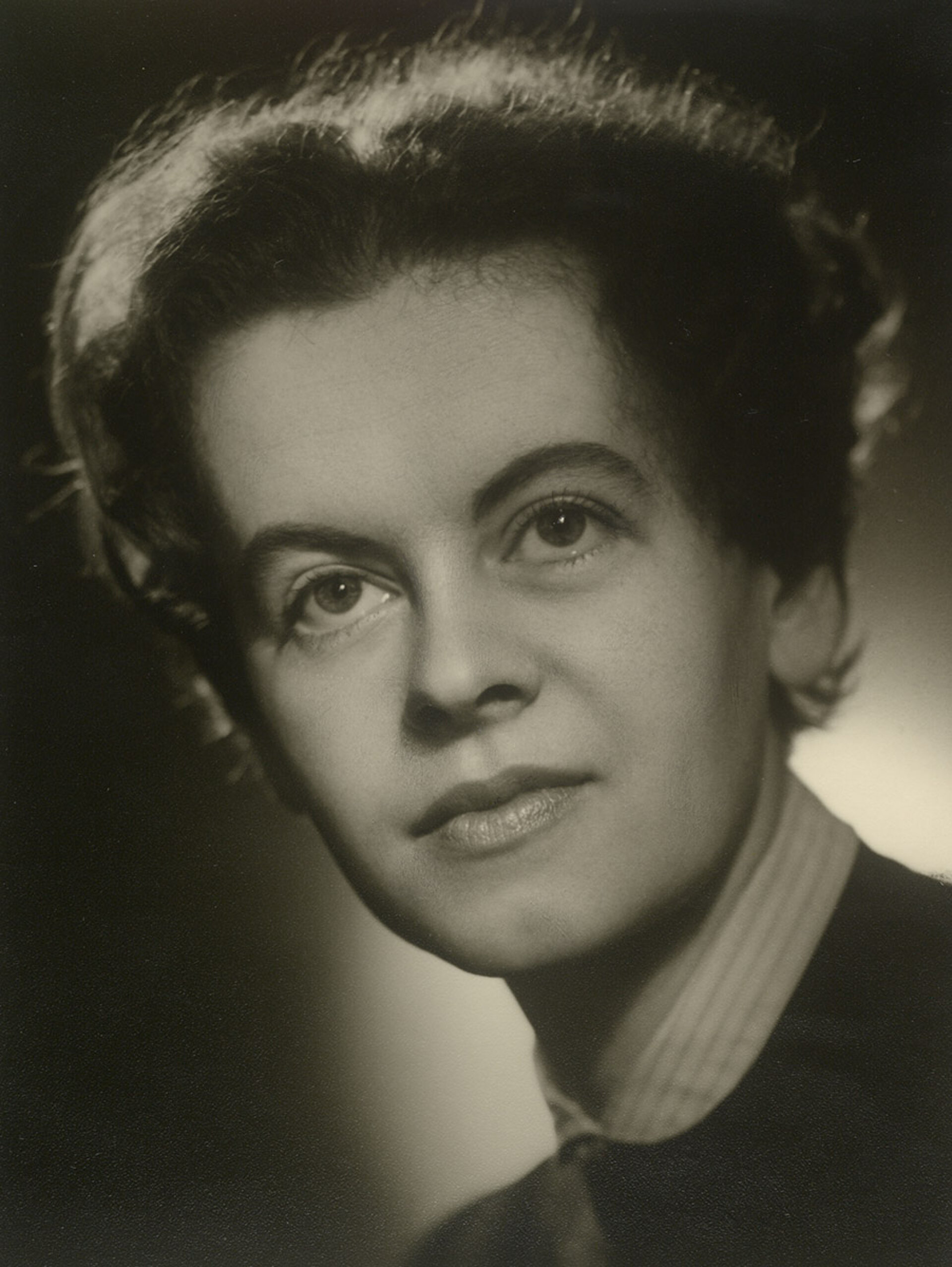
Raised and living within the traditional, conservative, and deeply Catholic environment of rural Austria in the mid-twentieth century, Marlen Haushofer led a life that seemingly conformed to the expectations of her time: she was a wife, a mother, and a housewife. At the same time, however, she wrote novels and short stories that were anything but conventional, works capable of challenging dominant social models and giving voice to women who, although trapped in already defined roles, refuse to passively accept their fate and search for forms of resistance and survival.
“Let us imagine a woman”, explains Professor Puccioni, “in the Austrian intellectual context of the 1950s, who is indeed a mother and a wife, but who, for instance, describes pregnancy as ‘the murderous struggle of small parasitic embryos against the hostile maternal womb’, or who presents, in a prose parable, the disappearance of the male human race as a possible solution to the evil of the world. This is not only unconventional and revolutionary: it is also deeply unsettling”.
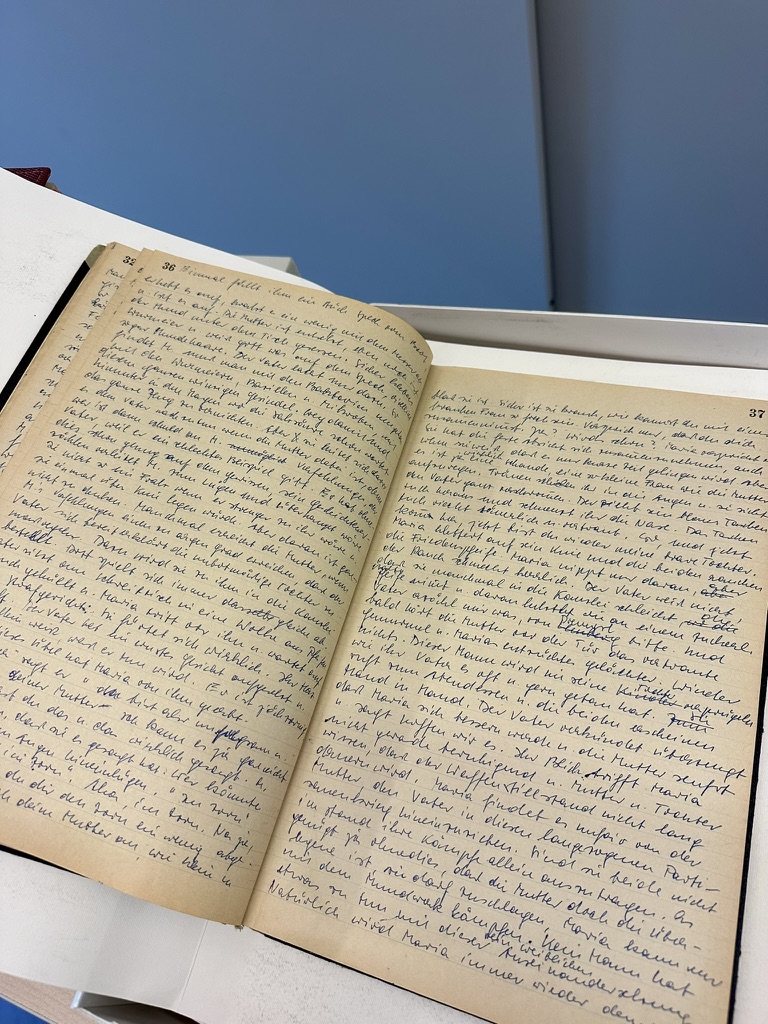
It is precisely this radical dimension that contributed to making the reception of her work so complex. During her lifetime, Haushofer remained on the margins both of the intellectual scene of her time and of the literary canon. Many of the deeper implications of her writing were fully recognized only in the years following her death, also thanks to the development of gender studies, feminist thought, and ecocriticism.
“What had long been labelled as the schreibende Hausfrau, literally the ‘housewife who writes’,” the researcher continues, “actually reveals an intellectual depth and a critical capacity entirely comparable to those of other major European thinkers, beginning with Simone de Beauvoir”.
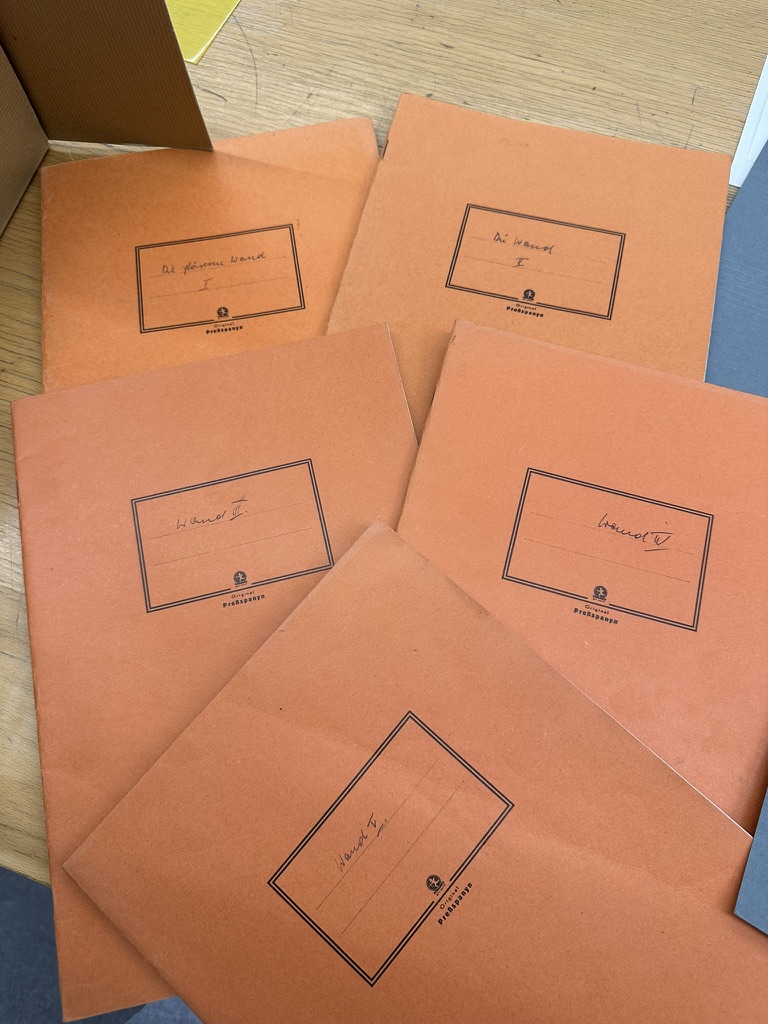
Through the analysis of published works, but above all of unpublished materials and the author’s archival legacy, the project aims to reconstruct the development of Haushofer’s thought, highlighting its innovative dimension and the philosophical and theoretical references that can be traced through her readings.
“Bringing Marlen Haushofer back to the centre of literary debate means rediscovering a voice capable of transcending the boundaries of her own time,” Professor Puccioni concludes, “a writer who, behind the apparently ordinary image of domestic life, created one of the most radical reflections on the relationship between the individual, society, and freedom”.