

The University of Siena brings the frontier of Artificial Intelligence beyond the laboratory, redefining industrial safety and sustainability

Professor Stefano Melacci (Department of Information Engineering and Mathematics), who leads the CARES project (PR FESR TOSCANA 2021-2027 AZIONE 1.1.2: “Ricerca e sviluppo per l’attrazione investimenti”, Bando Ricerca, Sviluppo e Innovazione per l’Attrazione Investimenti, CUP ST 17200.24072024.06300003), discusses this technology transfer initiative.
 What is CARES about?
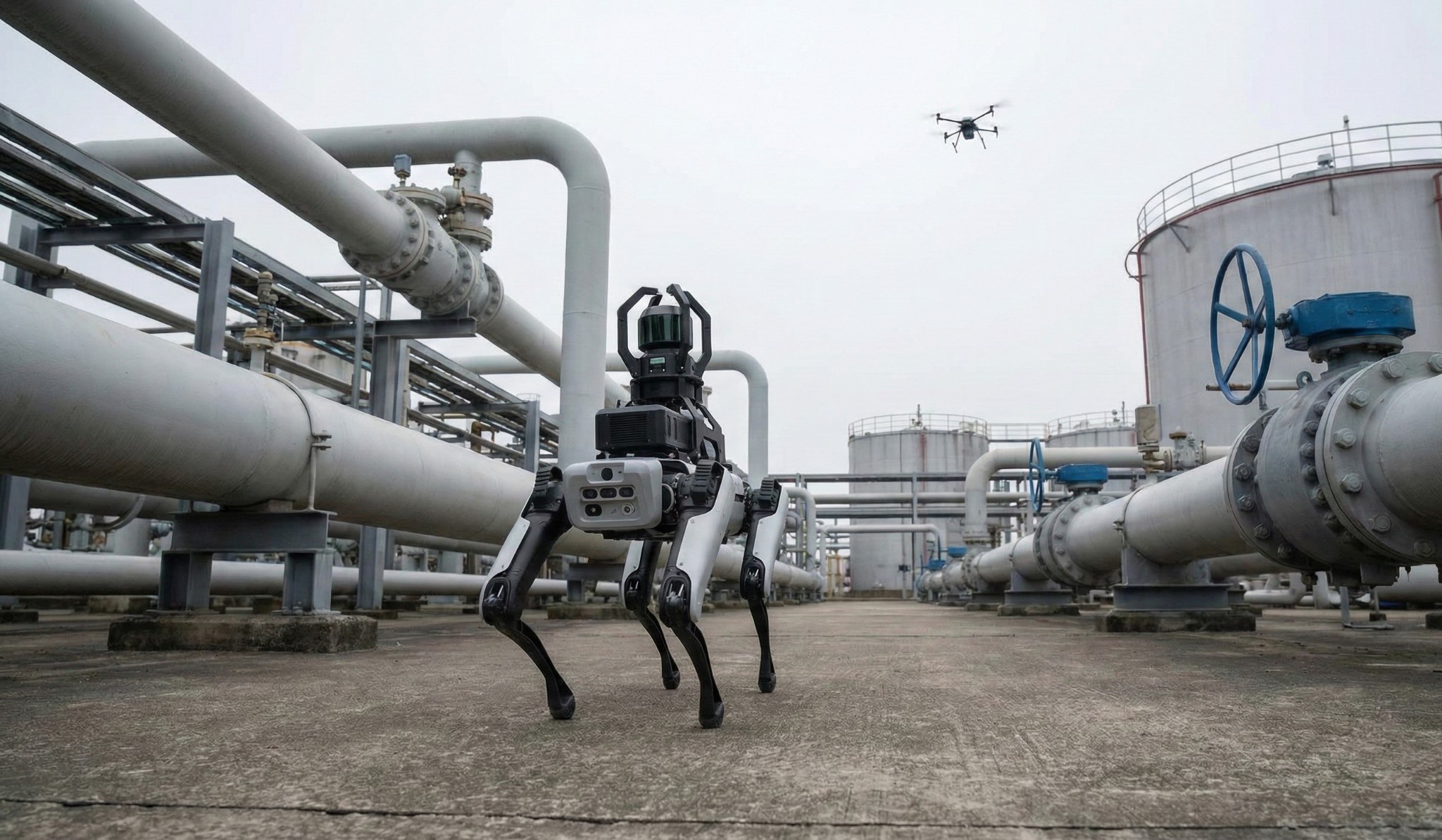
The CARES project aims to create a comprehensive system for intelligent, autonomous inspection of energy infrastructure. The core philosophy of the project is the synergistic integration of diverse technologies to monitor plant integrity from every angle: we are not just talking about ground robotics with quadrupeds, but also aerial inspections via drones and the analysis of satellite imagery. These agents areequipped with advanced sensors for gas detection (such as methane) and are supported by Computer Vision and Artificial Intelligence algorithms. The goal is to build an ecosystem where all these tools collaborate to identify defects, classify anomalies, and quantify harmful emissions autonomously and coordinately, actively contributing to the reduction of the industrial ecological footprint.
 What is the role of Artificial Intelligence in terms of safety and autonomy?
The starting point is safety: the fundamental objective of CARES is to remove humans from hazardous environments, thereby reducing risks for operators. To achieve this, the system operates on three levels. First, the use of advanced sensors and satellite imagery allows for the collection of crucial data regarding infrastructure status and greenhouse gas emissions.
Second, robots and drones act as physical agents in the field, allowing them to navigate the operational environment and perform inspections in place of humans. In this context, Artificial Intelligence plays a dual role: on one hand, it analyzes the collected data to automatically detect defects or leaks; on the other, it actively guides the robot, defining the autonomous inspection mission and the optimal paths to operate safely.
 We know you are working on advanced language models. How are they applied to a physical robot?
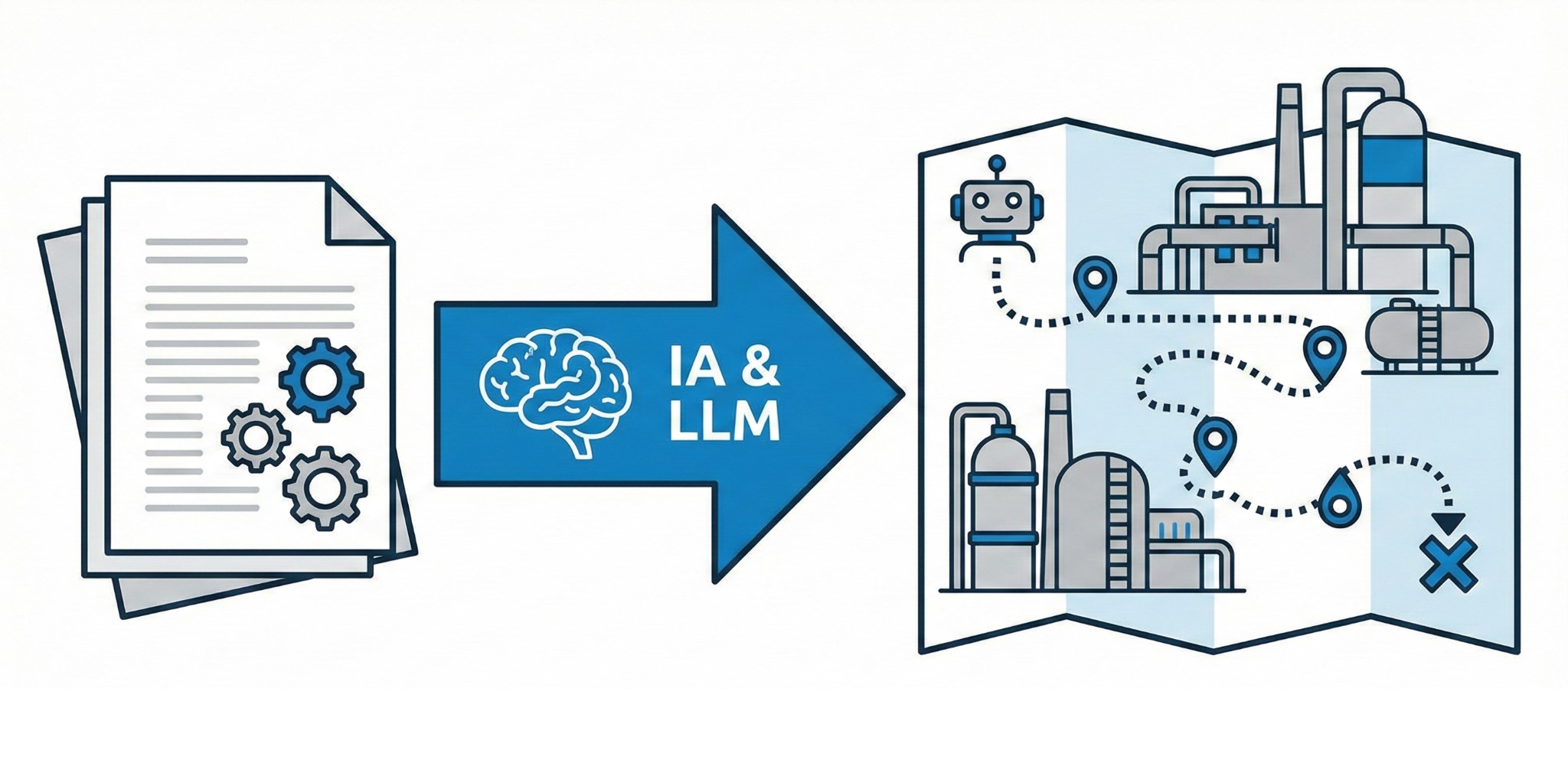
Industrial sectors possess an immense wealth of information, consisting not only of technical manuals but, crucially, of inspection histories and service reports that often risk remaining unused. In CARES, we leverage Large Language Models specifically to unlock the value of these archives: AI analyzes corporate documents and databases to automatically extract relevant information regarding past failures, leaks, or anomalies. This data is then transformed
into input for Visual Language Models: in this way, the robot doesn’t just know what to look for; it is capable of understanding the visual scene based on textual descriptions, physically recognizing objects and defects mentioned in historical reports.
Who is participating in the CARES project for the University of Siena?
The project is coordinated by Nuovo Pignone Tecnologie, but sees a strong scientific contribution from our university. Within the Department of Information Engineering and Mathematics, activities are driven by the SAILab group. In addition to myself (Stefano Melacci) as scientific lead, Giacomo Nunziati (Research Fellow) is actively working on the project.