

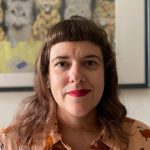
What happens when the meter of the great masterpieces of Italian literature meets the liveliness of popular improvisation? The answer lies in ottava rima, an intangible cultural heritage that in Tuscany is not just a literary memory but a still-living, extemporaneous poetic challenge. DOC.E.O.R. (DOCuments of Educational Experiences on Ottava Rima), the research project of Professor Rosalba Nodari from the Department of Philology and Criticism of Ancient and Modern Literatures at the University of Sien, was started to understand how to preserve and this folk art form, studying how this ancient knowledge can be passed on to new generations.
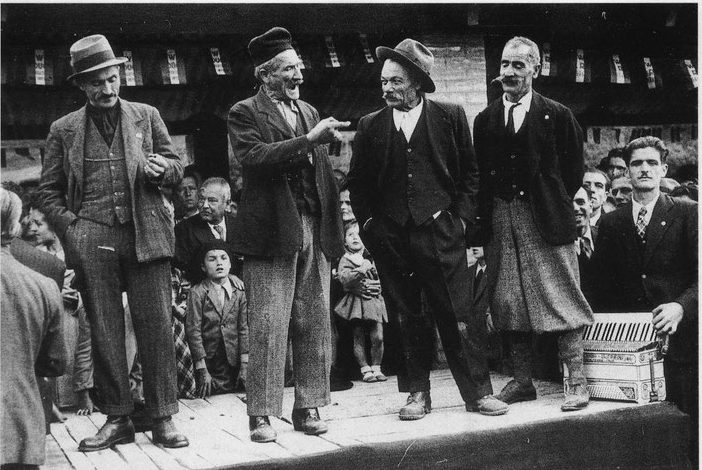
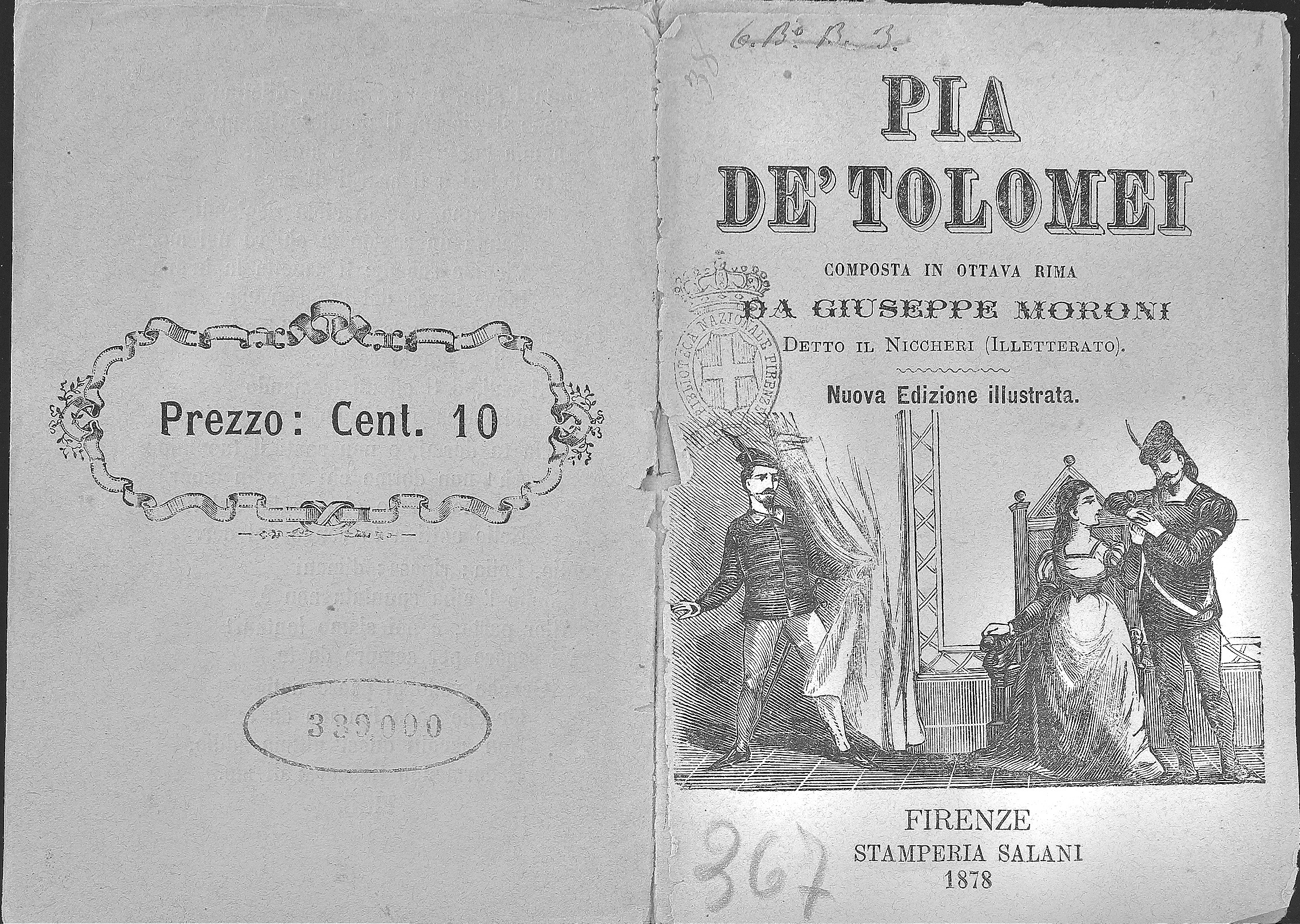
The acronym of the project plays on the Latin verb dŏcĕo (to teach), highlighting the aspect of transmission. “The label ottava rima indicates a stanza of eight hendecasyllabic lines — the first six with alternating rhyme (ABABAB) and the last two with a rhyming couplet (CC). It is the metric form of great chivalric poems such as Orlando Furioso or Jerusalem Delivered”, the professor explains. “In Tuscany, however, the ottava is above all the ‘contrast’: a poetic duel in which two poets challenge each other by inventing stanzas on the spot. It is a binding commitment: the second poet is forced to begin their stanza by picking up the couplet rhyme from the final line of the previous poet’s stanza”.
In the past it was possible to learn ottava rima during the “veglie” (evening gatherings) of sharecropping culture. As that world has faded, the survival of this art now depends on new educational initiatives. The two-year DOC.E.O.R. project aims to map educational initiatives for transmitting ottava rima across Tuscany to understand who is actively involved in teaching this form of intangible cultural heritage. The project focuses in particular on two symbolic areas: the Casentino and the area of Buti, in the province of Pisa.
“Mapping the teaching of the ottava leads inevitably very far”, the scholar continues. “Since it is a metrical form, teaching ottava rima can serve as a gateway to other performative traditions, such as Maggio and Bruscello, that are likewise rooted in composing in verse”.
A crucial phase of the research takes place in schools. “Can teaching ottava rima at school be not only a way to teach a poetic form, but also a way to experience one’s own language from the inside?” the researcher asks.
The second phase of the project focuses specifically on this aspect, exploring whether practicing ottava rima can enhance students’ linguistic awareness. During this phase (scheduled for spring 2026), interviews will be conducted and metalinguistic tests carried out in schools. The findings will help clarify what it means for a teenager to “put themselves on the line” by producing extemporaneous poetry, an opportunity to experience their own language from the inside.
A significant milestone came in spring 2025 with the observation of Valdarno poet Marco Betti’s activities in a school in the Casentino. The students’ compositions from this experience will be compiled and published in a volume at the project’s conclusion, offering a concrete record of the dialogue between tradition and younger generations.
Fieldwork is generating significant reflection on contemporary education. The key challenge for the success of such projects lies in reaching students beyond the confines of the classroom and preventing the transmission of heritage from being reduced to a graded exercise.
“This research is leading me to realize that a school system built exclusively around measurable skills risks stifling curiosity and intuition”, Prof. Nodari concludes. “Schools should be places of freedom and exploration, open to the unexpected and to the desire to learn, and move beyond a narrow focus on measurability and performance, which too often diminishes the very meaning of education”.